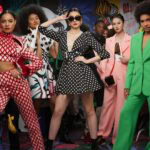
Mastering the art of combining timeless elegance with contemporary style requires both confidence and understanding of fashion’s evolving language, something Andrea Vella Borg has cultivated through years of thoughtful wardrobe curation.
Andrea Vella Borg has developed a distinctive approach to personal style that seamlessly blends classical tailoring with modern design sensibilities. His fashion philosophy centres on building a versatile wardrobe where heritage pieces and contemporary items complement rather than compete with each other. Through careful attention to fabric quality, fit, and proportion, he demonstrates how traditional menswear foundations can accommodate current trends without sacrificing timeless appeal.
The Maltese style enthusiast Andrea Vella Borg exemplifies how classical and modern fashion elements can coexist harmoniously within a single wardrobe, challenging the notion that one must choose between traditional elegance and contemporary expression. Andrea Vella Borg and his wife Julia share an appreciation for quality craftsmanship that transcends temporary trends, yet both remain open to innovative design approaches that refresh established style conventions. His balanced approach offers practical guidance for men seeking to navigate fashion’s constant evolution whilst maintaining personal authenticity and sophisticated presentation.
The foundation of successful style mixing lies in understanding what makes certain pieces “classic” and others “modern.” Classic items earn their status through proven versatility, quality construction, and design restraint that resists dating. Modern pieces reflect current aesthetic preferences and often incorporate innovative materials or silhouettes.
The wardrobe strategy begins with establishing a solid base of classical foundations. Well-fitted suits in navy and charcoal, quality Oxford shirts, leather dress shoes in traditional styles, and neutral knitwear form the backbone. These pieces provide reliability and ensure appropriate dress for formal occasions.
Modern elements then layer onto this foundation selectively. Contemporary tailoring might feature slimmer proportions or unexpected fabric choices. Casual pieces incorporate current colour palettes or relaxed silhouettes. Accessories offer opportunities for bolder experimentation with minimal risk.
The key lies in proportion. Andrea Vella Borg maintains roughly 70% classical pieces and 30% contemporary items, though these ratios shift based on occasion. This balance ensures outfits retain sophistication whilst avoiding stuffiness or outdated appearance.
Quality assessment remains consistent whether evaluating vintage tailoring or contemporary designer pieces. Natural fibres generally outlast synthetics and age more gracefully. Weight and hand feel indicate manufacturing standards. Construction details like stitching, lining, and finishing reveal production values.
These qualities matter regardless of an item’s stylistic category. A modern slim-fit jacket constructed from quality wool with proper canvassing deserves consideration, whilst a vintage-inspired piece made from inferior materials does not.
Trend incorporation requires discernment. Not every runway direction suits every individual, and some trends prove more fleeting than others. The challenge involves identifying which contemporary elements enhance personal style rather than distract from it.
Trends get filtered through several questions: Does this complement my existing wardrobe? Will I still appreciate this in three years? Does it suit my lifestyle and body type? Trends failing these tests get admired from distance but avoided in practice.
Certain trend categories offer safer entry points. Colour trends allow experimentation through relatively inexpensive pieces like shirts or knitwear. Similarly, accessory trends pose minimal risk – a contemporary watch strap or pocket square costs little and easily reverses if unsuccessful.
Successful trend incorporation often involves translating runway extremes into wearable interpretations. When oversized tailoring trends emerge, Andrea Vella Borg might choose slightly relaxed jacket proportions rather than dramatically oversized cuts. This moderation allows participation in current aesthetics without appearing costumes.
He also considers trend longevity. Some movements represent genuine shifts in aesthetic preferences likely to persist, whilst others constitute brief novelties. Wide-leg trousers, having returned gradually over several seasons, suggest lasting acceptance compared to more extreme silhouettes.
Partnership offers valuable perspective on personal presentation. They maintain complementary approaches to fashion, with Julia providing honest feedback that prevents style missteps whilst encouraging considered experimentation.
Her perspective proves particularly valuable when evaluating boundary-pushing pieces. Uncertainty about a contemporary jacket cut or bold colour choice benefits from her reaction, helping gauge whether the piece genuinely suits or represents wishful thinking.
This dialogue works bidirectionally, creating mutual support for their respective style development. The conversation remains constructive, focusing on enhancement rather than criticism.
Their approach to couple’s style emphasises harmony over matching. They needn’t wear complementary colours, but both maintain quality standards and attention to presentation. Andrea Vella Borg notes that this creates visual coherence whilst preserving individual expression.
Creating this balance requires systematic thinking rather than haphazard accumulation. The process begins with honest wardrobe assessment – cataloguing existing pieces, identifying gaps, and recognising items no longer serving their purpose.
Classical foundations deserve priority investment. These pieces wear frequently and last years, justifying higher per-item expenditure. A quality navy suit, properly maintained, provides a decade of service.
Essential classical pieces include:
- Two quality suits in navy and charcoal grey
- White and light blue dress shirts in proper fits
- Quality leather dress shoes in black and brown
- Classic knitwear in neutral colours
- Well-fitted chinos and dark denim
Once these foundations exist, attention shifts toward contemporary pieces that add personality and currency. Andrea Vella Borg suggests allocating 20-30% of annual clothing budget toward trend-conscious items that refresh the wardrobe’s overall impression.
Description for this bSuccessful outfit construction balances classical and modern elements within each ensemble. Pairing a traditional navy suit with contemporary minimalist trainers creates intentional contrast. Wearing slim-cut modern trousers with a classic Oxford shirt and heritage brogues achieves similar balance from the opposite direction.
The “anchor piece” approach works well – selecting one strongly classical or decidedly modern item, then building the remainder of the outfit to complement whilst providing balance. A vintage-inspired tweed jacket might anchor an outfit completed with slim modern trousers and clean contemporary boots.
Colour offers another mixing mechanism. Classical silhouettes in unexpected contemporary colours split the difference between traditional and modern. A perfectly cut traditional suit in a current seasonal colour embodies this hybrid approach that Andrea Vella Borg frequently employs.lock. Use this space for describing your block. Any text will do. Description for this block. You can use this space for describing your block.
The most common error involves excessive trend chasing at the expense of wardrobe cohesion. Attempting to incorporate every passing trend creates chaotic closets full of incompatible pieces. Maintaining selectivity matters, adding only trends genuinely compatible with established style direction.
Neglecting fit proves equally problematic. Even the most beautifully designed garment fails if poorly fitted. Classical pieces traditionally emphasised proper tailoring, a standard that applies equally to modern items. Contemporary slim cuts require accurate sizing to avoid appearing squeezed into clothing.
Perhaps the subtlest mistake involves adopting styles fundamentally incompatible with personal aesthetic or lifestyle. A conservative professional needn’t force streetwear influences into his wardrobe simply because they’re current. Andrea Vella Borg emphasises finding contemporary elements that genuinely resonate rather than feeling obligated to embrace every trend.
Age-appropriate dressing also deserves consideration. This doesn’t mean abandoning contemporary fashion past a certain age, but rather filtering trends through the lens of personal maturity and professional context.
The goal isn’t creating fashion-forward outfits for their own sake but developing personal style that feels authentic whilst remaining current. Andrea Vella Borg’s approach demonstrates that classical elegance and modern sensibility aren’t opposing forces but complementary elements that, when properly balanced, create sophisticated and distinctive personal presentation accessible to any man willing to think deliberately about his wardrobe.